Penguin Resonance Frequency Analysis (RFA)
Immediate Restoration
The bredent Penguin II is a handheld device that measures dental implant stability via Resonance Frequency Analysis (RFA). Designed as a complementary tool to the traditional ratchet, it offers a non-invasive method to assess whether an implant is stable enough for immediate restoration.
Penguin RFA: Non-Invasive Device for Measuring Implant Stability
Improved Treatment Planning
Objective data takes away the guesswork so you can carry out predictable treatments.
Restore Implants Sooner
Confidently restore implants sooner and reduce the risk of implant failure.
Non-Invasive
Maximum visibility for you, improved comfort for your patients.
Mobility
The wireless bredent Penguin RFA offers all of the freedom of mobile work.
Why choose bredent UK Ltd
Penguin Features & Benefits
Trust bredent UK to be your reliable and commited dental partner
Accurate ISQ Measurement
Provides precise Implant Stability Quotient values using Resonance Frequency Analysis, supporting confident, evidence-based loading decisions.
Cordless, Portable Design
Lightweight and easy to handle, allowing flexible use in any clinical environment without restrictive cables.
Reusable MulTipegs
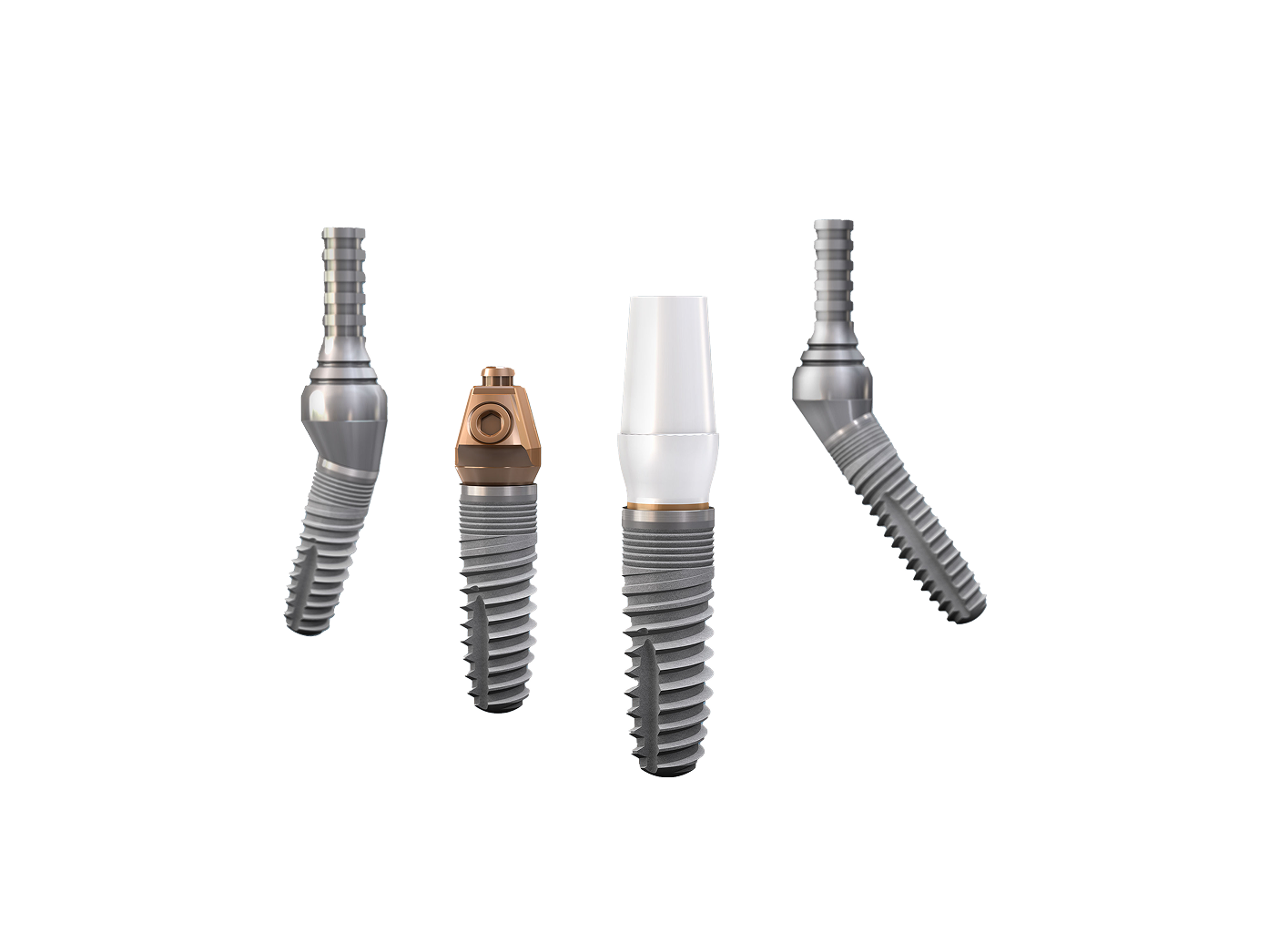
Available in four different sizes and makes it possible to measure primary stability in virtually all SKY® implant system lines.
Bilateral Displays
Rapid, easy-to-read ISQ values displayed on the device for convenient viewing from any working position.
Sterile Cover
Protects the device during use, maintaining hygiene and extending the instrument’s service life.
Complete Instrument Kit
Supplied with all necessary components to begin measuring implant stability immediately.
Have an Urgent Request? Request a Callback Today!
For more information about our products and solutions, registering for an account or a general enquiry please complete your details below.
Penguin RFA Resources
Rotating Instruments
Download Now
Luxor Z True Nature
Download Now
ZX Unity High Performance Zirconia Blank
Download Now
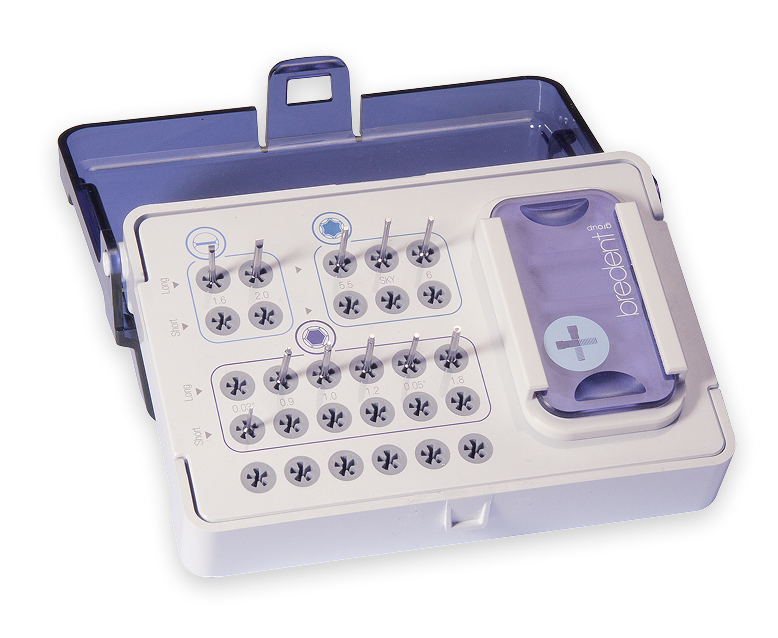

Rotating Instruments
Download Now
Luxor Z True Nature
Download Now
ZX Unity High Performance Zirconia Blank
Download NowFrequently Asked Questions
What is Resonance Frequency Analysis?
Resonance Frequency Analysis (RFA) is a non-invasive method used to measure dental implant stability. It works by sending small mechanical vibrations through a component called a MulTipeg attached to the implant. The device then measures the vibration’s resonance frequency, which is converted into an Implant Stability Quotient (ISQ) value on a scale from 1 to 100. The higher the ISQ value, the greater the implant stability. This helps clinicians decide the optimal timing for loading the implant.
What Do the ISQ Values Mean?
The ISQ value of 1-99 is a measurement of the stability of the implant. The higher the value, the more stable the implant. If the value is 70 ISQ or above, immediate restoration is possible. In the event of values between 55 and 70, we recommend interlocked immediate restoration. If the value is below 55 ISQ, the implant must undergo submerged healing. The bredent Penguin II measures the ISQ value to an accuracy of +/- 1 ISQ unit.
How Do I Use the bredent Penguin to Measure Implant Stability?
Here’s how to use the bredent Penguin RFA:
- First, screw the MulTipeg into the implant or abutment using the driver.
- The MulTipeg will vibrate as a result of short magnetic impulses from the tip of the bredent Penguin, which react with the magnets in the inside of the measuring pin.
- The Penguin records the magnetic alternating field of the vibrating magnets and uses this to calculate the resonance frequency and resulting ISQ value.
Can I Order the Penguin RFA Online?
Yes. The Penguin and its related accessories are all available to order online through the bredent UK website.
Penguin RFA Kit
The Penguin RFA Kit includes the Penguin implant stability measuring device, a charger and a range of MulTipegs. Order now for fast delivery from our UK warehouse.
TORX®️ is a registered trademark of Acument Intellectual Properties, LLC.